

CNC (Computer Numerical Control) machining is a versatile manufacturing process used to create precise and complex parts from various materials, including steel. Steel is a common choice for CNC machining due to its strength, durability, and availability in different grades. It's important to note that precision cnc turning can be a complex process, and specific details may vary based on the machine, tooling, and part design. Working with experienced CNC machinists or a manufacturing service provider can help ensure optimal results and efficiency. Here's a general overview of the process for CNC machining steel parts:
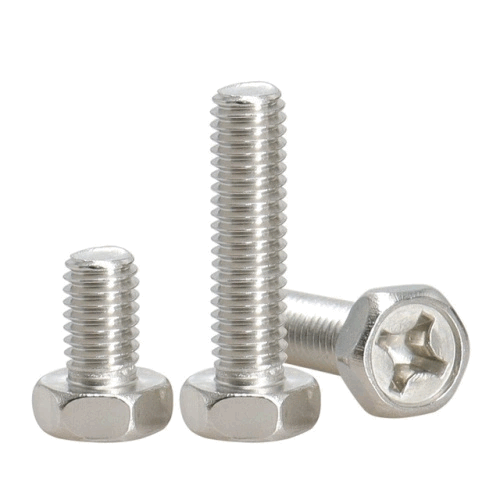
Design: Start by creating a 3D model of the steel part using CAD (Computer-Aided Design) software. Specify the dimensions, features, tolerances, and any other requirements.
Material selection: Choose the appropriate steel grade for your specific application. Common options include carbon steel, stainless steel, tool steel, and alloy steel. Consider factors such as strength, corrosion resistance, and heat resistance.
Programming: Once the design is complete, generate CNC toolpaths using CAM (Computer-Aided Manufacturing) software. This software translates the 3D model into a set of instructions that the CNC machine can follow.
Setup: Prepare the CNC machine for machining the stainless steel part. This involves securing the raw material (steel stock) in the machine's workholding system, such as a vise, chuck, or fixture. Ensure the machine is properly calibrated and aligned.
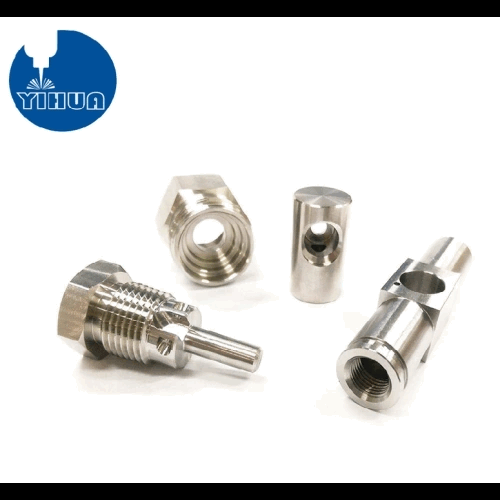
Tooling selection: Choose appropriate cutting tools based on the part's geometry, steel grade, and machining requirements. Common tool types for steel machining include end mills, drills, taps, and reamers. Consider factors such as tool material, coating, and cutting parameters.
Machining operations: The CNC machine will execute the programmed toolpaths to remove material from the steel stock and create the desired part. Typical machining operations include milling, turning, drilling, and threading. Coolants or lubricants may be used to improve cutting performance and reduce heat.
Quality control: Inspect the machined part to ensure it meets the desired specifications. Use measurement tools such as calipers, micrometers, and gauges to verify dimensions and tolerances. Visual inspection and non-destructive testing methods can also be employed.
Finishing operations: Depending on the part's requirements, additional post-machining operations may be performed. This can include deburring, sanding, polishing, or applying protective coatings to enhance the part's surface finish or corrosion resistance.
