

One of the key advantages of CNC machining for electronic parts is its ability to produce complex designs with intricate details. Whether it's a microcontroller, a circuit board, or a component with delicate features, CNC machines can effortlessly replicate even the most intricate designs. This ensures that the electronic parts fit perfectly and function flawlessly within the device.
Another significant benefit of CNC machining is its versatility. It can work with a wide range of materials commonly used in electronic parts, such as aluminum, brass, steel, and various types of plastics. This flexibility allows manufacturers to choose the most suitable material for the application, taking into account factors like conductivity, heat resistance, and durability.
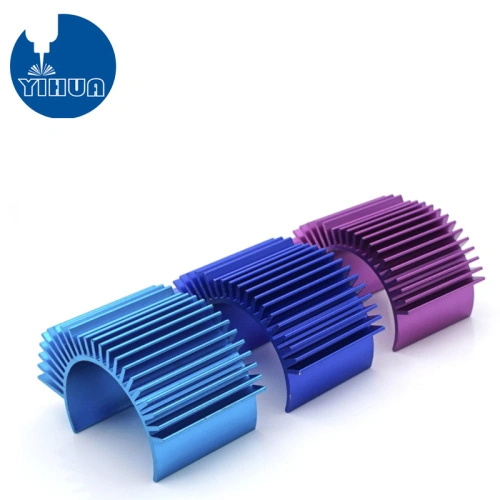
CNC machines are programmed using specialized CAD (Computer-Aided Design) software, which translates the design specifications into precise machining instructions. This eliminates any margin for human error and ensures consistent results across multiple production runs. Once the design is finalized, the CNC machine operates autonomously, reducing the need for constant human supervision and minimizing the chances of mistakes or inconsistencies.
The speed and efficiency of CNC machining also contribute to its prominence in electronic part production. With advanced automation and high-speed cutting tools, CNC machines can swiftly produce large quantities of electronic parts without compromising quality. This efficiency not only saves time but also lowers production costs, making it a cost-effective solution for manufacturers.
Furthermore, CNC machining offers excellent repeatability, enabling manufacturers to replicate electronic parts with consistent quality over time. This is particularly essential in electronics, where maintaining uniformity across products is crucial for seamless integration and system compatibility.
The integration of CNC machining in the production of electronic parts has transformed the industry in many ways. It has paved the way for advances in miniaturization, enabling the creation of smaller, more lightweight electronic devices with increased functionality. Additionally, by automating the manufacturing process, CNC machining has reduced lead times and improved overall production efficiency.
In conclusion, CNC machining has become the backbone of electronic part production, offering unparalleled precision, versatility, and efficiency. As technology continues to advance, we can expect further innovations in CNC machining, leading to even more remarkable electronic devices with enhanced performance and reliability.Our company also produces cnc machining medical device and cnc machining steel parts, if you have any needs, please contact us.
